For those involved in the six-year-long struggle to stop the unneeded and destructive Atlantic Coast Pipeline, it is still hard to comprehend what happened on July 5, 2020. That is the day that Dominion announced that it was pulling the plug on the 42-inch high-pressure natural gas pipeline that would have plowed through 600 miles of forests, farms, streams, and communities in West Virginia, Virginia, and North Carolina.
Page County Considers Solar Ordinance
Localities throughout the Shenandoah Valley are considering solar installations as a step toward renewable energy. Solar installations fall into two […]
Farewell (to the ACP) Party on Zoom! Wednesday, July 22, 2020 at 5:00 PM
Join us this Wednesday, July 22, at 5:00 PM for our “Farewell (to the ACP) Party.” We’ll have stories, music, […]
Today Dominion announced the end of the Atlantic Coast Pipeline. You did it. We did it. To everyone who put […]
FERC should deny the request to extend its Certificate Order. The ACP is not needed, and its construction will only unnecessarily harm private property, communities, and the environment along the pipeline’s proposed route.
Dominion: Get on the right side of history
Two steps forward, and one step back. That’s how today’s U.S. Supreme Court decision on the Atlantic Coast Pipeline’s Appalachian Trail crossing permit should be viewed for those of us fighting the destructive and unneeded pipeline.
A Staff Update
At the Alliance, we started 2020 with big goals. Now, half-way through and thrown more than one curve ball, we’re still on course, albeit with some changes.
Meet the comp plan—the superhero of the planning world. And, just as superheroes have to have their sidekicks, the comp plan alone can’t get the job done. Communities need several tools in their planning “toolbox” to carry out the plan’s vision.
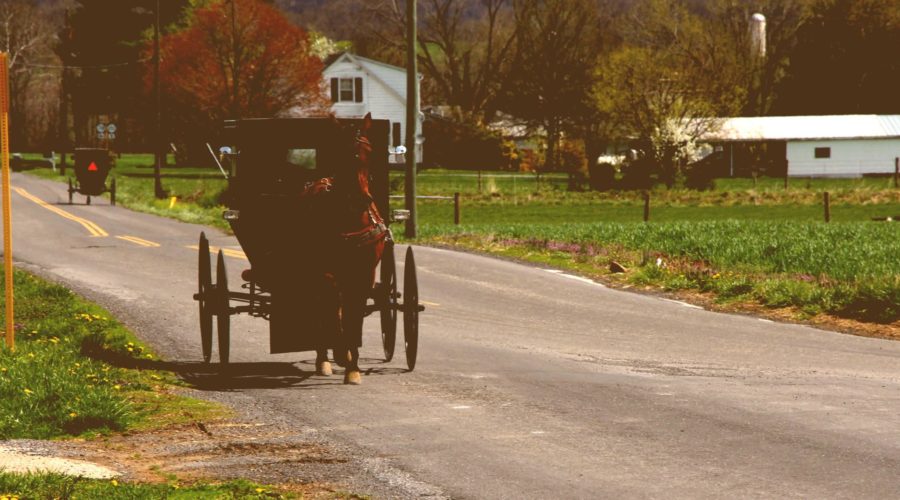
Now bikes and buggies can travel in a designated lane all the way to Garbers Church Road. Though it may appear so, these lanes didn’t just happen.
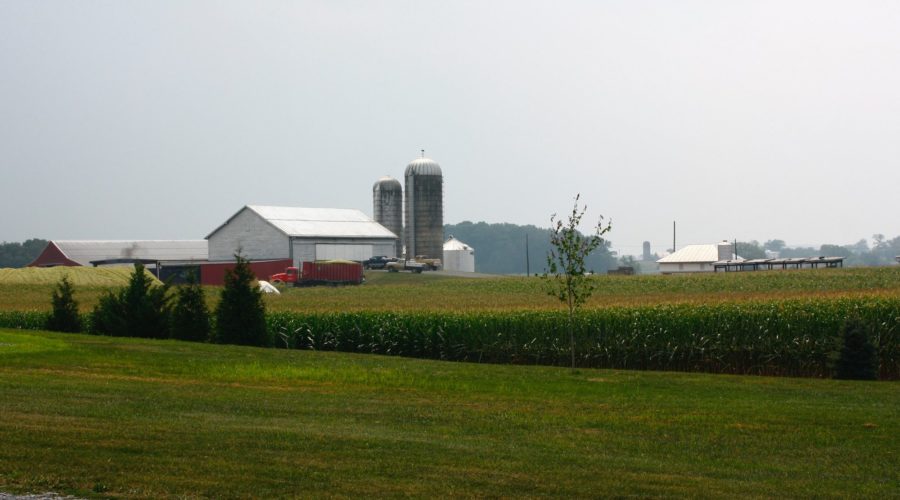
Before the zoning update (left), the county could have seen a loss of more than a quarter of prime farmland to housing and the addition of up to 40,000 new lots in the next 40 years.