WARREN
Balancing Tourism, Growth, and Municipal Demands
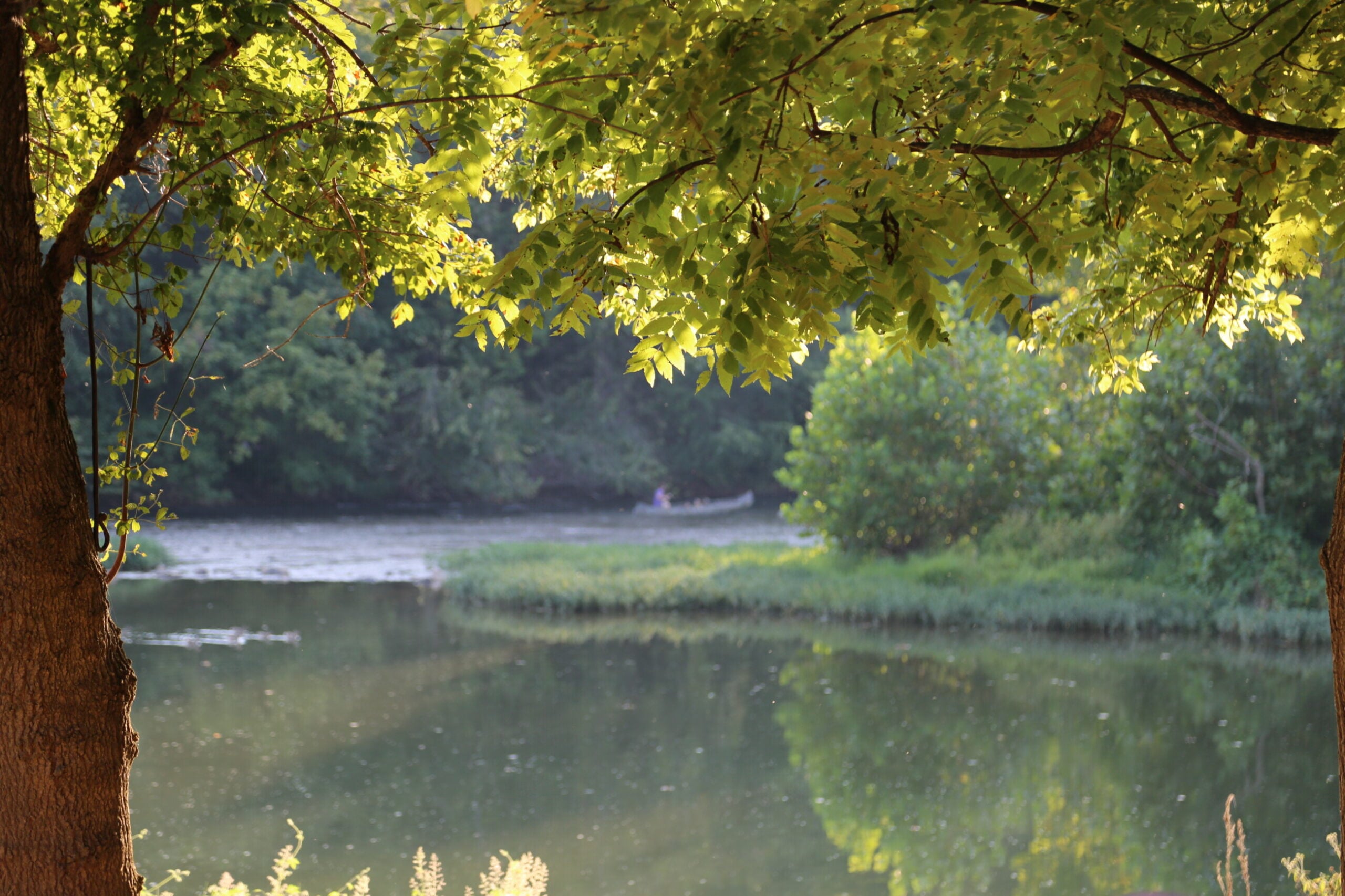
Known as the “Canoe Capital of Virginia,” Warren County’s economy and identity are closely tied to the South Fork of the Shenandoah River. On any sunny summer weekend, locals and visitors fill the river in inner tubes, kayaks, and canoes. From river outfitters and riverside campgrounds to Shenandoah River State Park’s 1,600 acres, 5.2 miles of shoreline, and 25 miles of trails, the river-based economy depends heavily on maintaining healthy water levels in the river.
Along the water’s edge, the bond between land conservation and outdoor recreation continues to deepen. At Shenandoah River State Park, expansive forested streamside corridors shelter native birds, butterflies, and insects while anchoring the soil to prevent riverbank erosion. Just downriver, near Front Royal Outdoors, a generous donation of 26-acres adjacent to the proposed Shenandoah Rail Trail opens up an exciting opportunity to link recreational greenways, weaving together a continuous, protected corridor that protects the river’s health while expanding access for everyone who loves it.
While the river provides recreational opportunities, the South Fork is also the main water supply source for the town of Front Royal. During summer droughts, declining river flows trigger water restrictions, straining municipal water supplies and impacting local businesses.
Outside town limits, rising numbers of residential wells drilled into the karst landscape place increased demand on deep groundwater reserves. Securing Warren County’s long-term water supply requires a multi-layered approach pairing land conservation with land-use policies to protect groundwater capacity.