
• Home
  • About Us
    • Who We Are
    • Staff
    • Board of Directors
    • Our History
    • Annual Reports
    • Join Our Team!
  • Our Work
    • Land Use and Transportation
    • Conservation and Agriculture
    • Clean Water
    • Strong Communities
    • Regional Issues
    • Virginia General Assembly
  • Home
  • Counties
    • Augusta County
    • Frederick County
    • Page County
    • Rockingham County
    • Shenandoah County
    • Warren County
  • News + Events
    • News
    • Events
  • Donate

(540) 908-3914

Subscribe
Alliance for the Shenandoah ValleyAlliance for the Shenandoah Valley
  • Home
  • About Us
    • Who We Are
    • Staff
    • Board of Directors
    • Our History
    • Annual Reports
    • Join Our Team!
  • Our Work
    • Land Use and Transportation
    • Conservation and Agriculture
    • Clean Water
    • Strong Communities
    • Regional Issues
    • Virginia General Assembly
  • Home
  • Counties
    • Augusta County
    • Frederick County
    • Page County
    • Rockingham County
    • Shenandoah County
    • Warren County
  • News + Events
    • News
    • Events
  • Donate
A small stream running through a field with a fence on either side and a hardwood tree in the foreground.

Land Management Practices

Whether growing crops, raising livestock or poultry, managing forests, or conducting any other land-based business, there are practices that farmers and landowners can adopt to benefit their farm, their business, their community and their ecosystem. Broadly, these practices are known as ‘best management practices.’ Many best management practices can make farms more efficient, build soil, retain nutrients, conserve water, improve and protect water quality, and even increase farm productivity.

Our local Soil and Water Conservation Districts (SWCD), regional Natural Resources Conservation Service Centers (NRCS), and nonprofit partners have programs available to provide assistance to implement of a variety of best management practices that cover the full spectrum of agricultural operations.

Common BMPs

A farmer leads cattle through a gate from one paddock to another.

Rotational Grazing

In rotational grazing, pasture is divided into sections called paddocks, and livestock graze one paddock at a time. This gives the other paddocks time to recover, allows plants to grow deeper roots, improves drought resilience, and reduces soil runoff.

Cover Crops

A cover crop is planted between cash crops like corn or soybeans to protect and improve the soil. It covers the ground in the fall and winter, helping prevent erosion and soil loss when fields would otherwise be bare. Read more here.

Stream Exclusion

Stream exclusion involves fencing livestock out of waterways and providing an alternative water source, like a well or trough, in the pasture. This helps prevent erosion caused by livestock hooves that cut up the ground when entering and exiting the stream, keeps manure out of waterways, and supports cleaner water. When paired with rotational grazing, it can also boost herd health and make better use of pastureland. Read more here.

Riparian Buffers

A riparian buffer or stream-side tree planting is a strip of trees and shrubs along a stream that helps filter out pollution, reduce erosion, and keep soil from washing into the water. It also provides shade to keep the water cool for aquatic creatures and creates wildlife habitat on stream banks. Read more here.

Cattle Crossings

On some farms, livestock need to cross a waterway to reach pasture. Cattle crossings are built to let them cross in one spot, without trampling the streambank or letting the animals wander through the water.

Silvopasture

Silvopasture—planting trees on grazing land—can enhance livestock health by offering shade, shelter, better quality grazing, and reduced stress on livestock. Mature trees also reduce polluted runoff, sequester carbon, and contribute to healthier soils.

Cropland Conversion

This practice involves the conversion of cropland to pasture or hay production. This long-term vegetated cover on cropland reduces soil loss and erosion. Cropland conversion also provides a nutrient management benefit by helping reduce nutrient loss and leaching, enhancing local water quality. Read more here.

Photo by Cory Guilliams.

Manure Management

Manure management is the practice of using an animal waste facility to capture, store and manage waste from livestock or poultry operations. These facilities allow waste to be stored and spread at the proper time, rate and location, thereby reducing pollution and helping control surface runoff to improve water quality. Read more here.

Technical Assistance and Funding

Funding and technical assistance is available from state Soil and Water Conservation Districts (SWCD), federal Natural Resources Conservation Service (NRCS) and various nonprofit partners, all described below. Often, the SWCD, NRCS, and nonprofits work together to find the combination of options that work best for each landowner and their farm.

Soil and Water Conservation Districts

Virginia Soil and Water Conservation Districts offer assistance for more than 70 best management practices. For more information about the assistance available check out this 2-page info sheet.

If you are interested in implementing one of these or other conservation practices on your farm or even in your residential backyard, contact your local Soil and Water Conservation District to learn more and apply:

Lord Fairfax Soil and Water Conservation District

Clark | Frederick | Warren | Shenandoah | City of Winchester

722 E Queen Street
Strasburg, VA 22657
540-465-2424 ext. 5
www.lfswcd.org

Shenandoah Valley Soil and Water Conservation District

Rockingham | Page | City of Harrisonburg

1934 Deyerle Avenue, Suite B
Harrisonburg, VA 22801
540-534-3105
www.svswcd.org

Headwaters Soil and Water Conservation District

Augusta | City of Staunton | City of Waynesboro

70 Dick Huff Lane
Verona, VA 24482
540-248-0148
www.headwatersswcd.org

Natural Resources Conservation Service

Natural Resources Conservation Service (NRCS) is a branch of the U.S. Department of Agriculture with service centers that provide local, on the ground support to farmers and landowners. Through the Environmental Quality Incentives Program, they offer both funding and technical support for farmers to adopt best management practices. If you’d like to explore the options offered by your local NRCS center, reach to the one nearest you:

Strasburg Service Center

Frederick | Shenandoah | Warren

722 East Queen Street
Strasburg, VA 22657
540-465-2424
nrcs.usda.gov

Harrisonburg Service Center

Rockingham | Page

1934 Deyerle Ave, Suite C
Harrisonburg, VA 22801-3484
540-534-3105
nrcs.usda.gov

Verona Service Center

Augusta

70 Dick Huff Ln
Verona, VA 24482
540-248-6218
nrcs.usda.gov

Nonprofit Partners

There are several nonprofit organizations that also assist landowners and farmers to implement best management practices, usually with a particular focus on soil health, water quality, habitat, or community improvement.

Alliance for the Chesapeake Bay

804-775-0951
www.allianceforthebay.org

Chesapeake Bay Foundation

804-780-1392
www.cbf.org

Trout
Unlimited

seth.coffman@tu.org
www.tu.org

Virginia Working Landscapes

540-635-0035
www.vaworkinglandscapes.org

Conservation Landowner Profiles

Encouragement From Others Got Them Started

Encouragement From Others Got Them Started

Farm, Conservation, and Dairy: The Paulsons' Story

Farm, Conservation, and Dairy: The Paulsons’ Story

A cow standing in a field on Alex Moore's farm at sunset with a rainbow in the distance

Reviving the Land, Strengthening the Farm

Landowner and Farmer Working Together in Conservation

Landowner and Farmer Working Together in Conservation

Strengthening Local Food Year-Round

Strengthening Local Food Year-Round

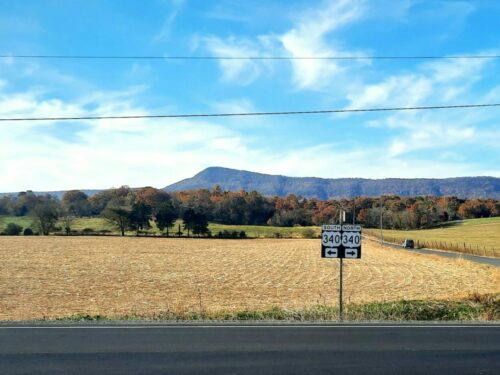
Fall view from Route 340 with a golden field in the foreground and mountains in the background under a bright blue sky with wispy clouds.

Transportation Planning & Land Conservation go Hand-in-Hand

Current Projects

Shenandoah Valley Conservation Collaborative
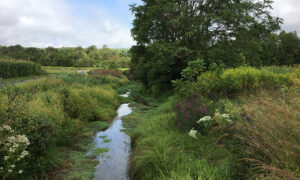
A small creek winds through a bank with lush plants, white and purple flowers alongside a field.
Smith Creek Showcase Watershed

Recent News

Announcing our 2025 Valley Treasures — Dee Dee Sellers & Tim Murray
Oct 23 2025

Tim and Dee Dee have worked tirelessly over the past 20 years to maintain the agricultural landscape of Mauzy, a small community in Rockingham County with rich history and scenic beauty.

Encouragement From Others Got Them Started
Aug 01 2025

Farm, Conservation, and Dairy: The Paulsons’ Story
Aug 01 2025

All Land Management Practices News
Support Our Work! Donate Online Here

Get In Touch

  • Kate Wofford, Executive Director
  • Alliance for the Shenandoah Valley
  • 9485 S Congress St • PO Box 674 • New Market, VA 22844
  • (540) 908-3914
  • info@shenandoahalliance.org

Stay in Touch

SIGN UP FOR E-NEWS

Search our site

Our Counties

  • Augusta
  • Frederick
  • Page
  • Rockingham
  • Shenandoah
  • Warren

Our Work

  • Land Use and Transportation
  • Conservation and Agriculture
  • Clean Water
  • Strong Communities
  • Regional Issues
Charity Navigator Four-Star Rating.

© 2025 · Alliance for the Shenandoah Valley

  • Home
  • About
  • Donate
  • News
  • Contact Us
  • Privacy Policy